The Football Fan's Guide to the 2026 FIFA World Cup
The 2026 FIFA World Cup is the 23rd edition of the men's FIFA World Cup, jointly hosted by the United States, Canada, and Mexico from June 11 to July 19, It will feature 48 teams across 12 groups, pro...

The Football Fan's Guide to the 2026 FIFA World Cup
The 2026 FIFA World Cup is the 23rd edition of the men's FIFA World Cup, jointly hosted by the United States, Canada, and Mexico from June 11 to July 19, 2026. It will feature 48 teams across 12 groups, producing 104 matches — a significant expansion from the 32-team, 64-match format used from 1998 through 2022. The final is scheduled for MetLife Stadium in East Rutherford, New Jersey, with 16 host cities spread across the three nations, including Miami, Los Angeles, Dallas, Toronto, Vancouver, and Guadalajara. FIFA expects cumulative broadcast reach of over 5 billion viewers globally, surpassing the 3.5 billion who watched the 2022 Qatar World Cup. Reigning champion Argentina, led by Lionel Messi, enters as one of the favorites alongside France, Brazil, and England. Football Compass will provide daily match predictions, tactical breakdowns, and player stat tracking throughout the tournament.
Photo by Charles Parker on Pexels
The Quick Comparison
Before we dive into the details, have you ever wondered how the 2026 edition stacks up against the last few tournaments? The table below gives you a fast snapshot. Keep this handy — you'll reference it often as the group stage unfolds.
| Edition | Host(s) | Teams | Matches | Final Venue | Champion |
|---|---|---|---|---|---|
| 2018 Russia | Russia | 32 | 64 | Luzhniki Stadium, Moscow | France |
| 2022 Qatar | Qatar | 32 | 64 | Lusail Stadium, Lusail | Argentina |
| 2026 USA/Canada/Mexico | Three nations | 48 | 104 | MetLife Stadium, NJ | TBD |
| 2030 (planned) | Spain, Portugal, Morocco | 48 | 104 | Santiago Bernabéu, Madrid | TBD |
The jump from 32 to 48 teams is the single biggest structural change since France 1998. That means more qualifiers, more group-stage games, and — crucially for fans and bettors alike — more data to analyze.
[Internal Link: World Cup 2026 group stage predictions]
Want to stay ahead of every match result and odds shift? Football Compass tracks the tournament from the opening whistle to the final on July 19.
Round 1: How Does the Expanded Format Actually Work?
So why did FIFA expand to 48 teams, and what does it mean for the games you'll watch? The change was approved unanimously by the FIFA Council in January 2017, but the specific 12-group structure wasn't finalized until 2023. Here's how the new bracket breaks down: 48 teams will be split into 12 groups of four, with the top two from each group plus the eight best third-placed teams advancing to a 32-team knockout round. That round of 32 is a brand-new stage — the 2022 Qatar World Cup jumped directly from the group stage to the round of 16.
This matters because it creates a strategic fork for coaches. A third-place finish that would have meant elimination in 2022 (when only two teams per group advanced) now often means survival. Why would a manager rest starters in a dead rubber? Points difference and goals scored will carry enormous weight, since the eight advancing third-placed teams are ranked by those exact metrics according to FIFA's official tournament regulations.
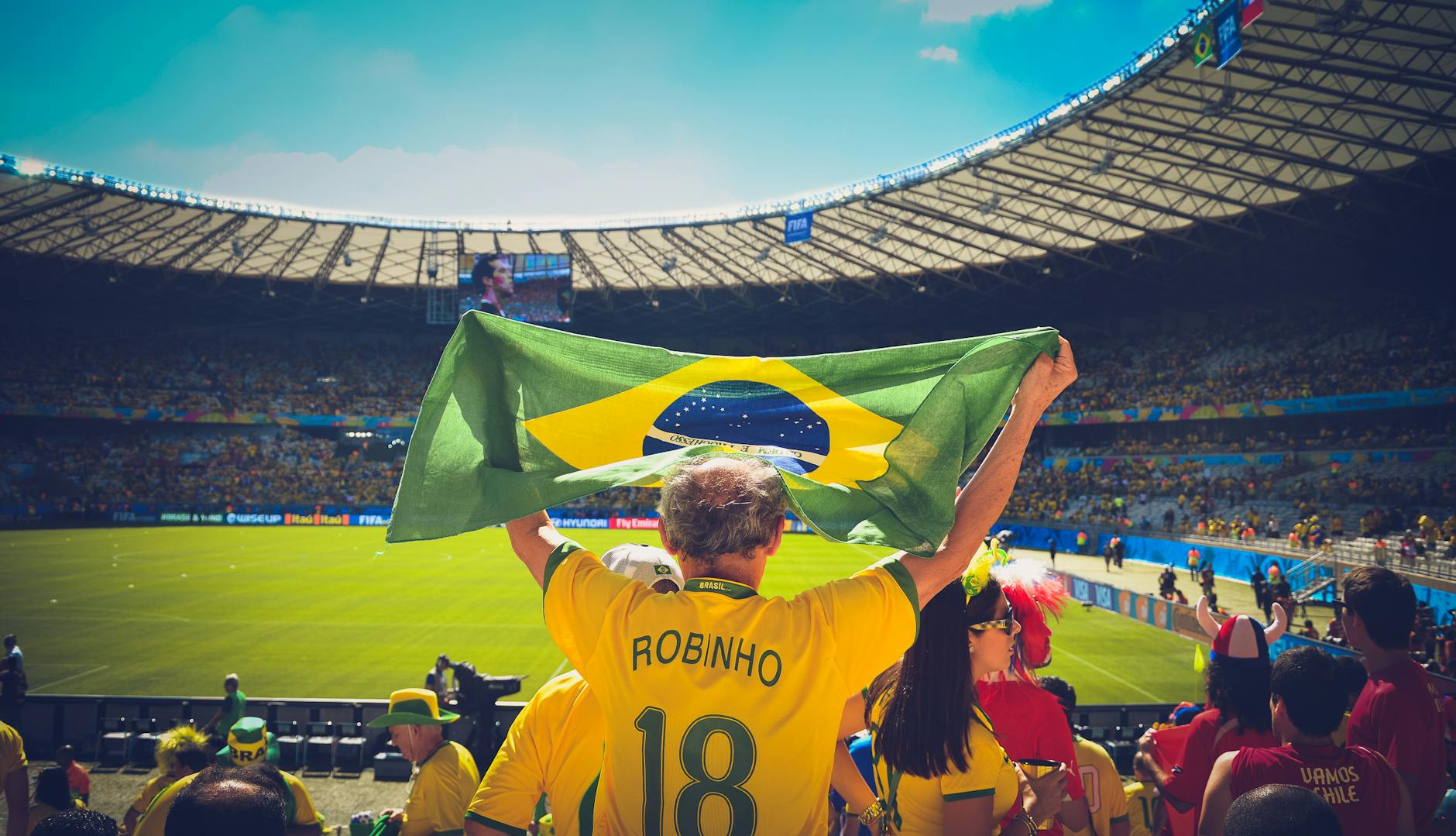
Photo by Caio on Pexels
The practical effect: expect more aggressive play in the final group matches. Teams that sit back to protect a result will risk elimination, not safety. Football Compass will publish live standings tables and projected knockout brackets after every matchday.
Round 2: What Makes the Three-Host Model Historically Significant?
Have you ever thought about why no World Cup has ever been co-hosted by three nations? The 2026 tournament breaks a 96-year streak of single- or dual-nation hosting. The United States is staging 11 of 16 cities (including all matches from the quarterfinals onward), while Canada gets two (Toronto, Vancouver) and Mexico two (Guadalajara, plus the iconic Estadio Azteca in Mexico City, which becomes the first stadium to host matches in three separate World Cups after 1970 and 1986).
That venue distribution carries real consequences. Travel distances are enormous — a team playing in Vancouver and then Miami faces roughly 5,400 km of flight time. The 2022 Qatar World Cup was praised for its compact geography, with all eight stadiums within a 55-km radius of Doha. The 2026 edition is the opposite: according to Wikipedia's venue compilation, the farthest distance between any two host cities is roughly the same as flying from London to Tehran.
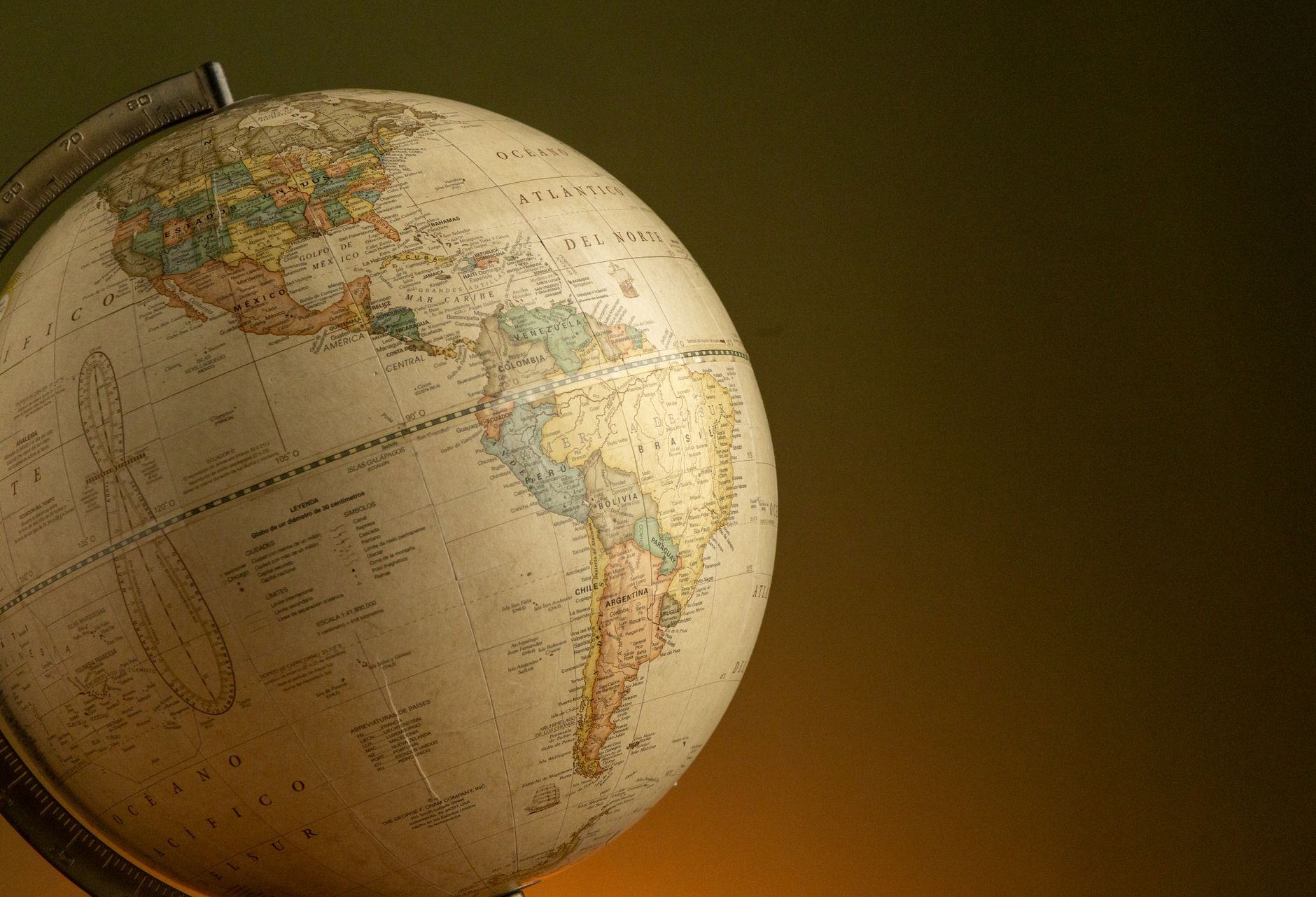
Photo by Amar Preciado on Pexels
Why does this matter for you as a follower? Squad rotation, recovery time, and travel fatigue will be hidden variables that affect match outcomes — especially in the group stage when teams shuttle between distant venues. Football Compass factors travel distance into our daily team condition ratings.
[Internal Link: World Cup venue guide and travel tips]
Round 3: Who Are the Real Favorites — and Where's the Value?
If you're building a betting shortlist or just want to know who to watch, the question is always the same: which teams have the squad depth to survive a 7-match (or 8-match) knockout run? Argentina enters as defending champion after Lionel Messi's fairy-tale 2022 triumph in Lusail, but a single tournament rarely crowns back-to-back winners — Italy and Spain both failed to reach the 2022 knockout stage after winning in 2014. France, the 2018 champion, also fell in 2022's group stage.
Here's a ranked look at the realistic contenders based on FIFA ranking points, squad age curves, and recent competitive form:
- France — Kylian Mbappé, 2022 Golden Boot winner, leads a young core. Ranked No. 2 in the FIFA Men's World Ranking as of late 2025.
- Brazil — Under new manager Dorival Júnior, the Seleção boasts Vinícius Júnior and Endrick. Won all six qualifiers in the 2026 CONMEBOL cycle before a stumble.
- Argentina — Still Lionel Messi (age 38 in 2026), plus Julián Álvarez and a battle-tested spine. Defending champion.
- England — Thomas Tuchel's appointment in January 2025 has transformed the Three Lions' tactical identity. Bellingham, Foden, Saka form a generational midfield.
- Spain — Lamine Yamal (born 2007) will be 18 by tournament time. Pedri returns to full fitness.
Now, here's an insight most preview articles miss: the dark horse cluster is unusually deep in 2026. The United States, Morocco (2022 semifinalist), Japan, and Colombia all have rosters capable of reaching the quarterfinals. According to Opta's 2025 predictive models, Morocco's projected knockout-round probability jumped from 4% in 2022 to 18% in 2026, largely because Achraf Hakiri and Youssef En-Nesyri are now in their prime.

Photo by Mateo Franciosi on Pexels
[Internal Link: dark horse teams for the 2026 World Cup]
Want sharper predictions grounded in real data? Football Compass publishes daily model-driven picks and value odds before every match.
The Final Score & Who Should Follow What
So, after three rounds of comparison, what's the bottom line? The 2026 FIFA World Cup is structurally the largest football tournament ever staged — 48 teams, 104 matches, 16 cities, 3 host nations, and a single champion lifting the trophy on July 19, 2026, at MetLife Stadium. For fans, this means more football than ever before, with group-stage action running from June 11 through June 27, then a brand-new round of 32 from June 28 onward. The expanded format widens the door for upsets, but the elite contenders remain the European powerhouses plus Argentina and Brazil.
Here's a practical takeaway depending on what kind of follower you are:
- Casual fan: Focus on weekends. Group-stage doubleheaders and knockout rounds will dominate prime-time US television slots on Fox and Telemundo. Don't miss the opening match in Mexico City on June 11.
- Tactical follower: Watch press conferences and post-match interviews. The new 32-team knockout format means coaches will be more conservative in group play — study their bench choices.
- Bettor or data-driven fan: The expanded format increases variance. Markets will be less efficient in the round of 32, where unfamiliar matchups appear. Football Compass will flag value opportunities daily.
Photo by Guylain Kipoke on Pexels
The 2026 World Cup is already historic before a ball is kicked. Make sure you're equipped with the right analysis to enjoy every minute. Football Compass will be your daily companion from now through the July 19 final — covering predictions, tactics, stats, and everything in between.
[Internal Link: subscribe to daily World Cup predictions]
Frequently Asked Questions
Q: When and where is the 2026 FIFA World Cup?
A: The tournament runs from June 11 to July 19, 2026, across 16 host cities in the United States, Canada, and Mexico. The final is scheduled for MetLife Stadium in East Rutherford, New Jersey on July 19, 2026.
Q: How many teams will play in the 2026 World Cup?
A: Forty-eight (48) national teams will compete, divided into 12 groups of four. The top two teams in each group, plus the eight best third-placed teams, advance to a 32-team knockout bracket — a brand-new round of 32 stage that didn't exist in previous World Cups.
Q: Which countries are the favorites to win the 2026 World Cup?
A: France, Brazil, Argentina, England, and Spain are the consensus favorites based on FIFA ranking, squad depth, and recent form. Defending champion Argentina, led by Lionel Messi, is aiming for a third title. Dark horses include Morocco, the United States, and Japan.
Q: How can I watch or follow the 2026 FIFA World Cup?
A: In the United States, matches will air on Fox Sports and Telemundo, with streaming on FuboTV and Peacock. Globally, FIFA's official broadcast partners cover over 200 territories. Football Compass provides daily written analysis, predictions, and stat tracking throughout the tournament.
Q: Is the 2026 World Cup the first to be hosted by three countries?
A: Yes. The 2026 edition is the first FIFA World Cup co-hosted by three nations — the United States, Canada, and Mexico. The United States hosts 11 of 16 cities, while Canada and Mexico each host two. The Estadio Azteca in Mexico City becomes the first stadium to host World Cup matches in three separate editions (1970, 1986, 2026).
Q: What is the prize money for the 2026 World Cup?
A: FIFA has not yet announced the final prize pool for 2026, but the 2022 Qatar World Cup distributed $440 million in total prize money, with champions Argentina receiving $42 million. The 2026 pool is expected to be larger given the expanded 48-team format and increased broadcast revenue.
Q: Will Lionel Messi play in the 2026 World Cup?
A: Messi has not formally confirmed his participation, but at 38 years old, he would be one of the oldest outfield players in World Cup history if selected. He has stated publicly that he wants to represent Argentina at the 2026 tournament, pending fitness and form during the 2025-26 MLS season with Inter Miami.
Thank you for reading.
Football Compass · Archive