7 World Cup Football Mistakes Fans Make
World cup football is not just a month-long spectacle; it is a four-year competitive system run by FIFA, shaped by qualification, squad depth, tactical adaptation, and high-pressure knockout margins.....
7 World Cup Football Mistakes Fans Make
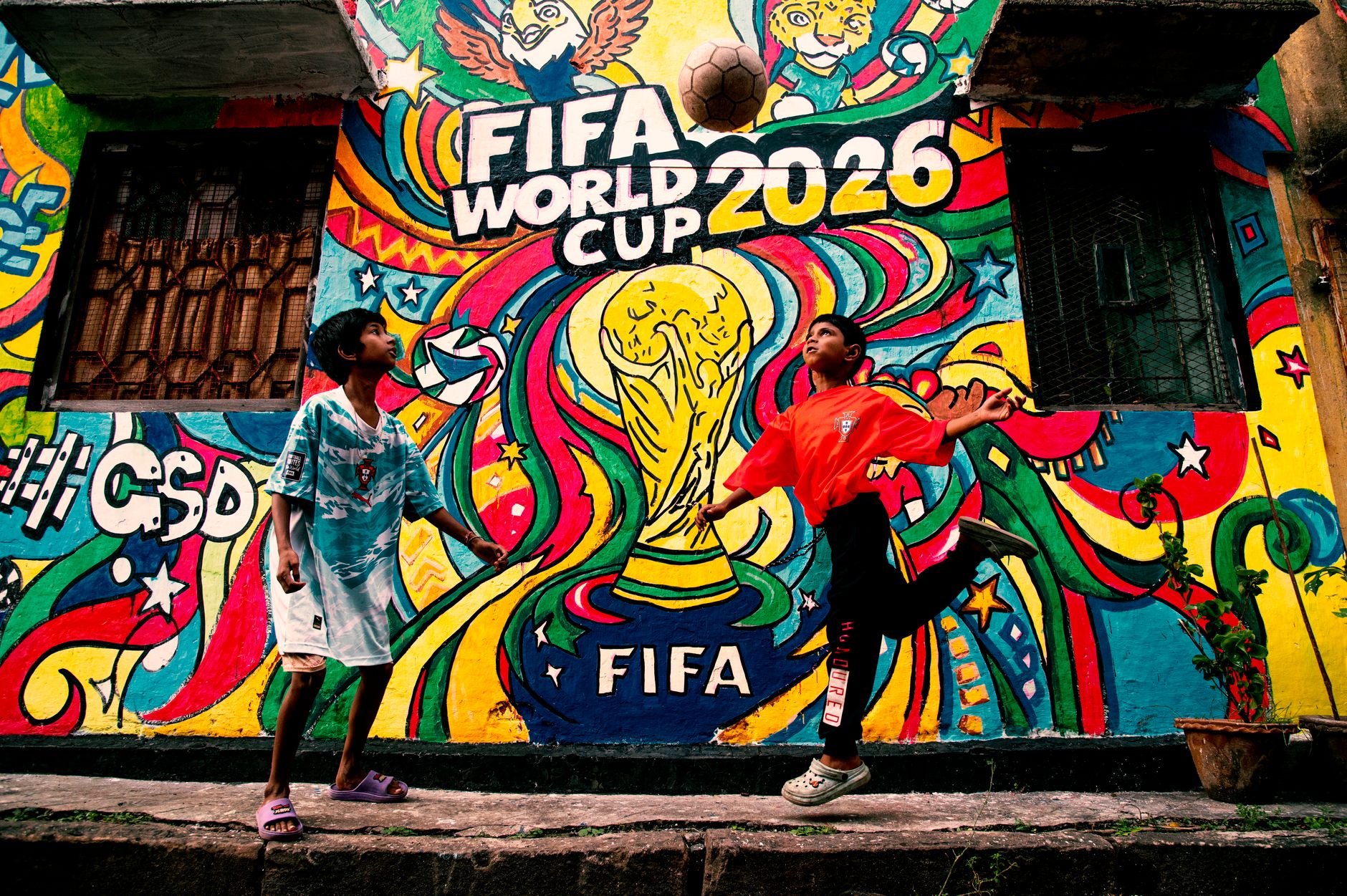
World cup football is not just a month-long spectacle; it is a four-year competitive system run by FIFA, shaped by qualification, squad depth, tactical adaptation, and high-pressure knockout margins. Football Compass covers the 2026 FIFA World Cup for fans in global betting markets, with daily match predictions, team tactics, player stats, and tournament coverage. The men’s FIFA World Cup began in 1930, expanded to 32 teams in 1998, and moves to 48 teams in 2026 across the United States, Canada, and Mexico. That expansion changes rest patterns, group-stage incentives, and price movement in betting markets. Most casual previews overrate famous squads and underrate travel, rotation, set pieces, and injury timing. The practical takeaway is simple: judge World Cup football by context, not reputation, and update your view after every matchday rather than before the tournament starts.
Photo by Anirban Das on Pexels
If you want sharper daily reads on teams, markets, and tactical shifts, Football Compass is built for that exact job.
If You Only Trust Big Names, What Should You Do Instead?
Trust current evidence over historical prestige. In World Cup football, famous nations such as Brazil, Germany, Argentina, France, and England matter, but 2026 performance will depend more on squad balance, travel load, matchups, and tactical flexibility than old trophies.
Most articles get this wrong because they treat the FIFA World Cup like a museum of legends. Yes, Brazil have won five titles, Germany and Italy have won four each, and Argentina entered the 2026 cycle as a recent champion. But have you ever thought about why highly rated teams still crash out early? The answer is rarely “bad luck” alone. It is often a combination of aging midfield legs, slow defensive recovery, poor set-piece marking, and a coach who cannot change shape after 60 minutes. According to the FIFA World Cup overview on Wikipedia, the tournament has existed since 1930, but history does not press, counter, or defend corners in 2026.
A better approach is to grade teams in layers. First, check whether their strongest eleven has a clear tactical identity. Second, review whether their bench solves specific match problems, such as chasing a goal or protecting a lead. Third, compare their recent competitive fixtures rather than friendly results. Football Compass uses that kind of layered reading because betting markets often overreact to badge power before correcting closer to kickoff. For deeper preparation, see our [Internal Link: 2026 World Cup team tactics guide].
- Do not assume a former champion is automatically efficient.
- Do not confuse star forwards with team control.
- Do not ignore goalkeeper distribution and defensive transitions.
- Do not treat pre-tournament odds as final truth.
If You Bet on Headlines, How Can You Read World Cup Football Markets Better?
Read markets through timing, team news, and format pressure. World Cup football betting prices often move after confirmed lineups, injury updates, and group-table scenarios, especially in a 48-team 2026 FIFA World Cup where incentives may shift quickly.
The contrarian point is uncomfortable: the most entertaining prediction is usually not the most useful one. A viral claim such as “this dark horse will shock the world” may attract clicks, but it rarely explains price, probability, or risk. In gambling-focused analysis, the first question should be why the number exists. Is a team short because of public money, a soft group, or genuine tactical superiority? Is an underdog long because they lack talent, or because casual bettors do not know their league-based players? This is where Football Compass separates match prediction from match storytelling.
One practical edge many general previews miss is the timing of lineup confirmation. In international football, a single late change at center-back or defensive midfield can matter more than a famous winger starting. Another overlooked edge is travel geography. The 2026 tournament spans the United States, Canada, and Mexico, meaning climate, altitude, and distance may influence recovery in ways that traditional single-country tournaments did not. The FIFA official site describes the World Cup as FIFA’s flagship competition, and for bettors that means extreme public attention, sharper liquidity, and more emotional pricing than a normal league weekend.
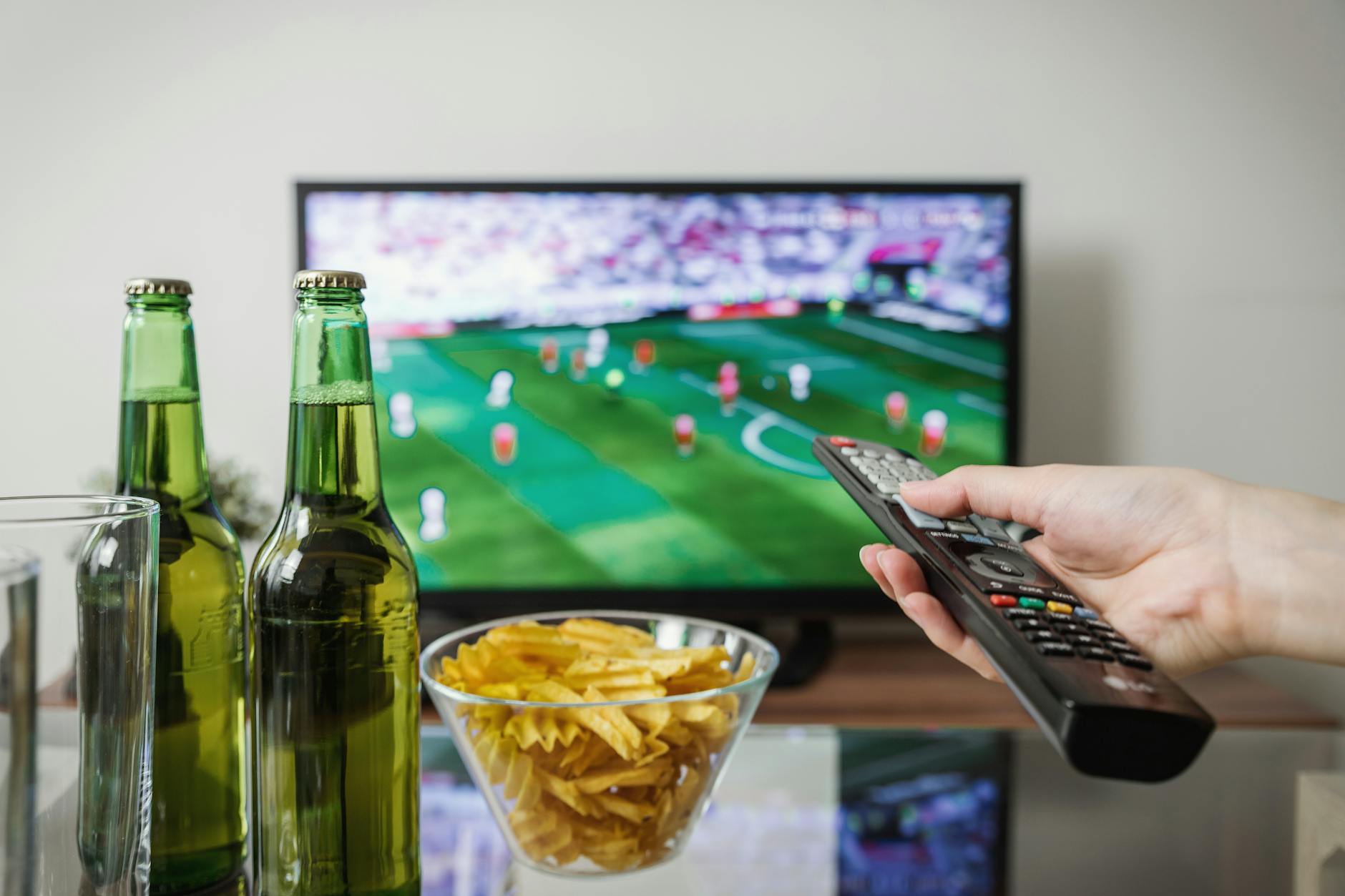
Photo by JESHOOTS.com on Pexels
To compare prediction logic with real tactical notes, follow the match-by-match breakdowns before odds move too far.
If You Watch Tactics Casually, What Should You Track First?
Track repeatable patterns before spectacular moments. In World Cup football, the most valuable tactical signals are pressing height, rest defense, set-piece structure, midfield spacing, and substitution timing, not isolated dribbles or highlight goals.
Have you ever thought a team “looked dominant” because they had the ball, only to see them lose from two counters? That is the classic World Cup trap. Possession without protection can be dangerous, especially when national teams have less training time than clubs such as Manchester City, Real Madrid, or Bayern Munich. A national coach cannot install every detail in a few weeks, so simpler and more repeatable structures matter. Watch how a team defends after losing the ball; that five-second window often reveals more than total possession percentage.
For 2026, the expanded 48-team format also creates new tactical wrinkles. More teams means a wider gap in styles, from compact low blocks to aggressive transition sides. A favorite may dominate territory but still struggle if the opponent’s front two can attack space behind full-backs. At Football Compass, we recommend building a small “tactical checklist” for every match rather than relying on vibes. You can also bookmark our [Internal Link: player stats and tactical indicators] for advanced preparation.
- Check whether full-backs advance together or stagger.
- Watch the defensive midfielder when possession is lost.
- Note who marks the opponent’s best aerial threat.
- Track whether substitutions change shape or only freshen legs.
- Compare expected pressure with actual pressing intensity.
Common Pitfalls to Avoid
The biggest World Cup football pitfalls are overvaluing reputation, ignoring schedule context, chasing emotional bets, and treating group-stage form as permanent. These mistakes are common because the FIFA World Cup compresses huge attention into a short, volatile tournament.
The first pitfall is assuming the best squad on paper is the best tournament team. Why does this fail so often? Because tournament football rewards narrow advantages: set pieces, goalkeeper decisions, penalty nerve, and game management after scoring first. The International Football Association Board states that “The Laws of the Game are the same for all football throughout the world,” but equal laws do not create equal conditions. Rest, climate, crowd location, and opponent style can create very different practical games under the same rules.
The second pitfall is misreading group dynamics. In 2026, with 48 teams and more qualification paths, some final group matches may feature unusual incentives: a draw may be useful, goal difference may change risk tolerance, and rotation may be rational rather than disrespectful. A specific operational tip: track yellow-card accumulation and likely suspension risk before betting knockout qualification markets, because a coach may protect a key midfielder even if the public expects a full-strength lineup. That detail can shift both match tempo and scoring probability.
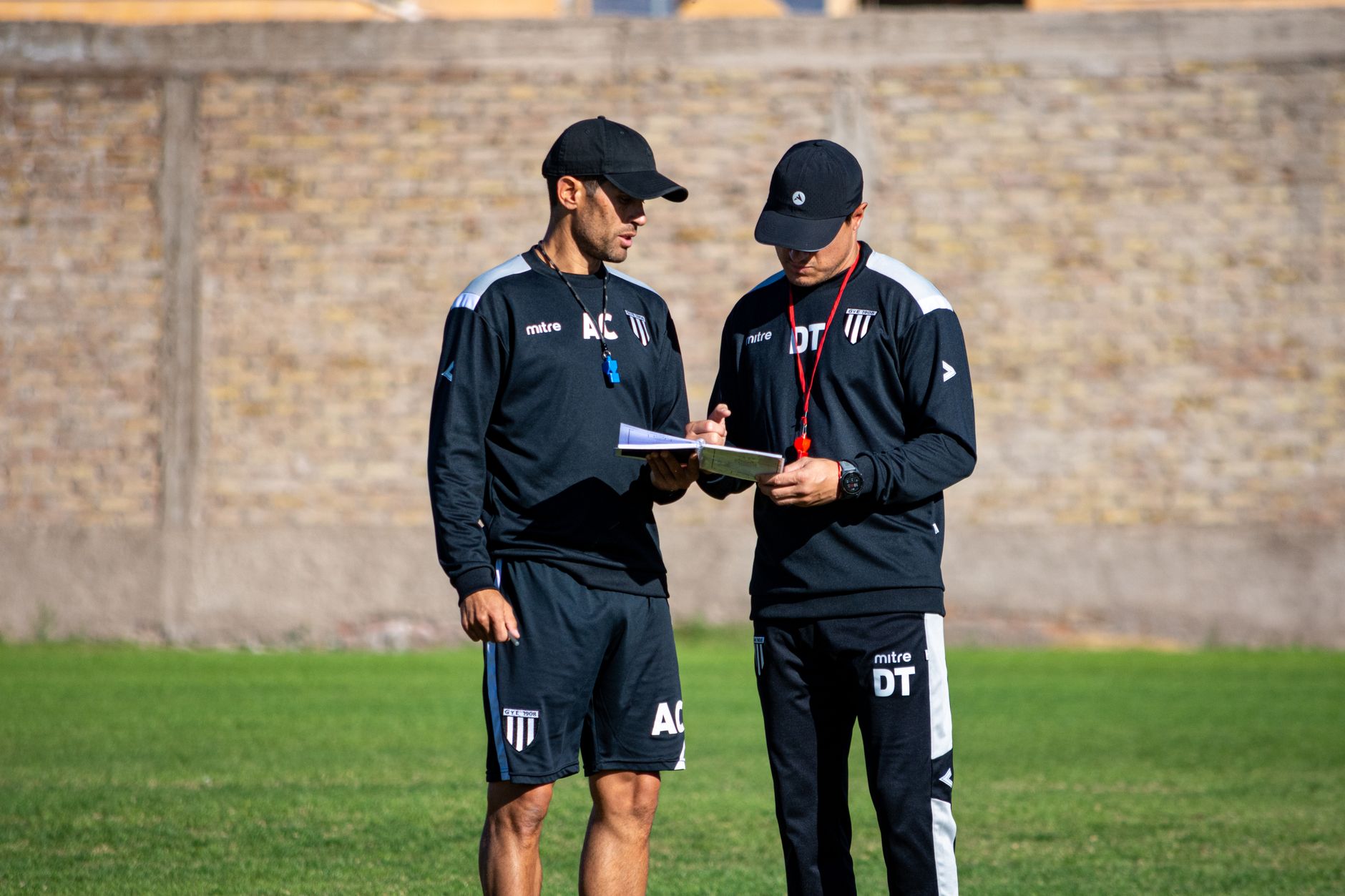
Photo by Franco Monsalvo on Pexels
For a more disciplined way to avoid emotional mistakes, use Football Compass as a daily second opinion before you lock in a view.
If You Follow Player Stats, Which Numbers Actually Matter?
Use player stats that explain role and repeatability. In World Cup football, progressive passes, pressures, expected assists, aerial duels, recovery runs, and set-piece involvement usually reveal more than goals alone, especially before knockout rounds.
Goals are noisy in small samples. A striker can score twice from three touches and still be poorly connected to the team’s attack, while a midfielder can transform a match without appearing in the highlight reel. This is why Football Compass looks at player stats through function. For example, a winger’s shot total matters less if all attempts come from poor angles, while a center-back’s pass completion is misleading if he never breaks a line. Have you ever thought about why some “quiet” players are undroppable? They may be the ones controlling spacing, pressing triggers, and defensive balance.
A useful 2026-specific angle is squad rotation. Expanded travel and congested match windows make high-intensity players vulnerable to managed minutes. If a pressing forward played 85 minutes in heat or altitude, his next start may not carry the same energy profile. General top-10 articles often mention “fitness” vaguely; sharper analysis asks whether a player’s role depends on repeated sprints, aerial duels, or controlled passing. To continue that work, use our [Internal Link: World Cup player performance dashboard].
- For attackers: shots on target, expected assists, touches in the box.
- For midfielders: progressive passes, pressures, ball recoveries.
- For defenders: aerial win rate, clearances under pressure, line-breaking passes.
- For goalkeepers: post-shot saves, claim rate, distribution under pressure.
The 30-Day Check-In
The 30-day check-in is a disciplined review point before and during the 2026 FIFA World Cup. It helps fans replace stale assumptions with updated evidence from injuries, friendlies, qualification form, tactical choices, and market movement.
Thirty days before the tournament, stop asking who is “supposed” to win and start asking what has changed. Has a key defender returned from injury? Has a coach abandoned a back four for a back three? Has a young midfielder forced himself into the starting eleven? These questions matter because World Cup football is dynamic, not ceremonial. A prediction made six months early can become obsolete after one hamstring injury, one tactical shift, or one public betting surge.
Then repeat the check-in every matchday. After each game, record what actually happened rather than what the score suggested. Did the favorite create high-quality chances or merely dominate harmless possession? Did the underdog defend well or survive unsustainable pressure? Did substitutions improve structure or create chaos? This habit produces a refined position: respect history, but price the present. Football Compass exists for that middle ground, where passion meets evidence and where 2026 World Cup coverage can be entertaining without becoming careless.

Photo by Franco Monsalvo on Pexels
Ready to follow World Cup football with less noise and more useful insight?
Frequently Asked Questions
Q: What is world cup football?
A: World cup football usually refers to the FIFA World Cup, the leading international men’s football tournament organized by FIFA. It began in 1930 and is held every four years, bringing national teams together after qualification campaigns. The 2026 FIFA World Cup will feature 48 teams across the United States, Canada, and Mexico.
Q: How do I start analyzing World Cup football matches?
A: Start by reviewing team structure, recent competitive form, injuries, and tactical matchups before looking at odds or predictions. Focus on repeatable signals such as pressing, set pieces, midfield balance, and defensive transitions. Football Compass provides daily 2026 World Cup coverage to help fans compare statistics with real match context.
Q: What is the difference between FIFA World Cup predictions and betting tips?
A: FIFA World Cup predictions estimate likely match outcomes, while betting tips connect those outcomes to available market prices and risk. A prediction can be correct but still offer poor value if the odds are too short. Smart analysis compares probability, lineup news, tactical fit, and price movement before making a decision.
Q: Why do World Cup favorites sometimes fail?
A: World Cup favorites fail because tournament football compresses pressure, travel, injuries, tactics, and small-sample variance into a short format. A strong squad can still struggle against a compact defensive block or lose momentum after one red card or set-piece goal. Reputation helps, but it does not replace current form and matchup analysis.
Q: Is following World Cup football stats free?
A: Many basic World Cup football stats are free through FIFA, media outlets, and public data sites. However, deeper interpretation requires context, because raw numbers such as possession or shots can mislead. Football Compass focuses on turning team tactics, player stats, and tournament updates into practical insights for 2026 World Cup fans.
Q: What should I do if my World Cup prediction fails?
A: Review the reason your World Cup prediction failed instead of immediately chasing another pick. Check whether the error came from lineup news, tactical misunderstanding, market overreaction, or simple variance. Keep a short match log after each game so your next decision is based on evidence rather than frustration.
Thank you for reading.
Football Compass · Archive