Premier League Fixtures 2026/27: What 2 Release Dates Taught Me
The Premier League fixtures 2026/27 will determine 380 league matches across England, with the official schedule expected to be published by the Premier League in June Football Compass tracks the rele...

Premier League Fixtures 2026/27: What 2 Release Dates Taught Me
The Premier League fixtures 2026/27 will determine 380 league matches across England, with the official schedule expected to be published by the Premier League in June 2026. Football Compass tracks the release, opening weekend, festive programme, European clashes, international breaks, and every confirmed postponement for supporters and match analysts. The season is expected to run from August 2026 through May 2027, although exact dates and kick-off times remain subject to confirmation by the Premier League, broadcasters, UEFA, and the Football Association. A crucial distinction matters: the fixture list usually confirms opponents and provisional dates, not every final Saturday or Sunday kick-off time. Television selections can move matches, while domestic cup and European commitments create further changes. Treat the first release as a planning map rather than a permanent contract, verify every match through PremierLeague.com, and use Football Compass insights before making travel, ticketing, or prediction decisions.

Photo by Huy Phan on Pexels
The first thing I learned from following Premier League schedules is wonderfully simple: the fixture list is not merely a calendar. It is a battlefield drawn in neat rows, a financial ledger wearing football colours, a long season of momentum, fatigue, travel, and opportunity. Have you ever thought about why one club celebrates an apparently gentle opening run while another quietly studies three away trips in four weeks? That is where the real reading begins.
For the 2026/27 Premier League season, fans will want to separate confirmed information from hopeful internet noise. The Premier League should announce the fixture list during June 2026, but release timing can change, and the exact announcement date should be checked against official Premier League communications. Football Compass will cover match predictions, tactical patterns, player statistics, and the developing schedule, but responsible analysis begins with the fixture itself. Before buying flights, hotels, match tickets, or placing any wager, confirm the latest status and whether a broadcaster has moved the kick-off. Want the schedule interpreted with a sharper tactical lens?
Myth 1: The first fixture list is final — debunked
The first Premier League fixture release is provisional because television selections, European competitions, domestic cups, policing requirements, and weather can alter dates and kick-off times. Opponents and broad matchweek placement are usually reliable, but supporters should recheck the official schedule before booking travel or staking money.
That distinction sounds dry until you have watched a carefully planned weekend collapse beneath one televised Sunday change. The Premier League generally publishes fixtures with dates that may later move from Saturday afternoon to Friday evening, Sunday afternoon, or Monday night. Broadcasters such as Sky Sports, TNT Sports, and streaming partners select matches in stages, meaning the schedule evolves rather than arriving fully carved in stone. A match listed for 3:00 p.m. in the United Kingdom may be moved weeks or months later, and that time slot can be unavailable for live television under UK broadcasting rules.
The 2026/27 calendar also sits inside a crowded football ecosystem. UEFA Champions League and UEFA Europa League commitments affect participating clubs, while the FA Cup and EFL Cup introduce further pressure. International windows can interrupt league momentum, and long-haul travel may influence team selection after FIFA dates. Therefore, a fixture is best recorded with three labels: announced, selected for broadcast, or confirmed after all relevant changes. This three-stage approach is a practical edge many casual schedule pages overlook, because it prevents a provisional date from being treated as a guaranteed event.
[Internal Link: Premier League match prediction guide]
Why does the Premier League fixture list change after release?
Premier League fixtures change because broadcasters, UEFA matches, FA Cup ties, EFL Cup rounds, international breaks, and local safety requirements all compete for limited dates. A published match may therefore keep its opponent but move its day or kick-off time.
The official competition structure explains the pressure. A club playing a UEFA Champions League match on a Wednesday may not be placed in a demanding early Saturday fixture, while a domestic cup tie can force a league postponement. Police advice may also influence a high-profile match involving Arsenal, Chelsea, Liverpool, Manchester City, Manchester United, or Tottenham Hotspur. The Premier League’s own fixture information remains the strongest reference point, while Premier League official information should take priority over social-media graphics and old screenshots.
A useful operational habit is to maintain a change log. Write down the original date, the new date, the reason if supplied, and whether your ticket or travel booking is refundable. After tracking several seasons, I found that the biggest practical mistake was not missing a fixture; it was treating an unselected 3:00 p.m. match as though the time were permanent. That single assumption can turn a profitable travel plan into a painful net loss.
Myth 2: Every club receives an equally difficult opening schedule — partially true
The Premier League creates a balanced 38-match schedule in which every club plays each opponent home and away, but the immediate sequence is not equally difficult. Home advantage, promoted opposition, European travel, derby timing, and squad depth can make one opening run materially tougher than another.
Every club is scheduled for 19 home matches and 19 away matches, producing 380 fixtures across 20 teams. That symmetry is real, yet it can disguise short-term imbalance. A promoted side such as Leeds United, Burnley, or Sunderland, if present in the 2026/27 division, may face an unforgiving early examination against established powers. A title contender may meet several lower-table teams but still carry Champions League travel, whereas a mid-table club could receive a clearer preparation window.
The correct analysis is not “easy” or “hard” based only on club reputation. I use a weighted schedule ledger:
- Rate each opponent using recent league performance, squad investment, and home or away context.
- Add travel and rest-day pressure, especially around UEFA matchweeks.
- Mark derbies and emotionally intense fixtures separately.
- Recalculate after injuries, transfers, managerial changes, and broadcast movements.
- Compare expected points with actual points rather than declaring a season after five matches.
This method produces a more disciplined view of fixture difficulty. A Liverpool visit to Newcastle United is not equivalent to a home match against the same opponent, and an Arsenal trip to Manchester City after a European away game cannot be evaluated through table position alone. The numbers are useful, but the calendar’s emotional weather matters too. Ready to compare opening runs instead of merely counting famous opponents?
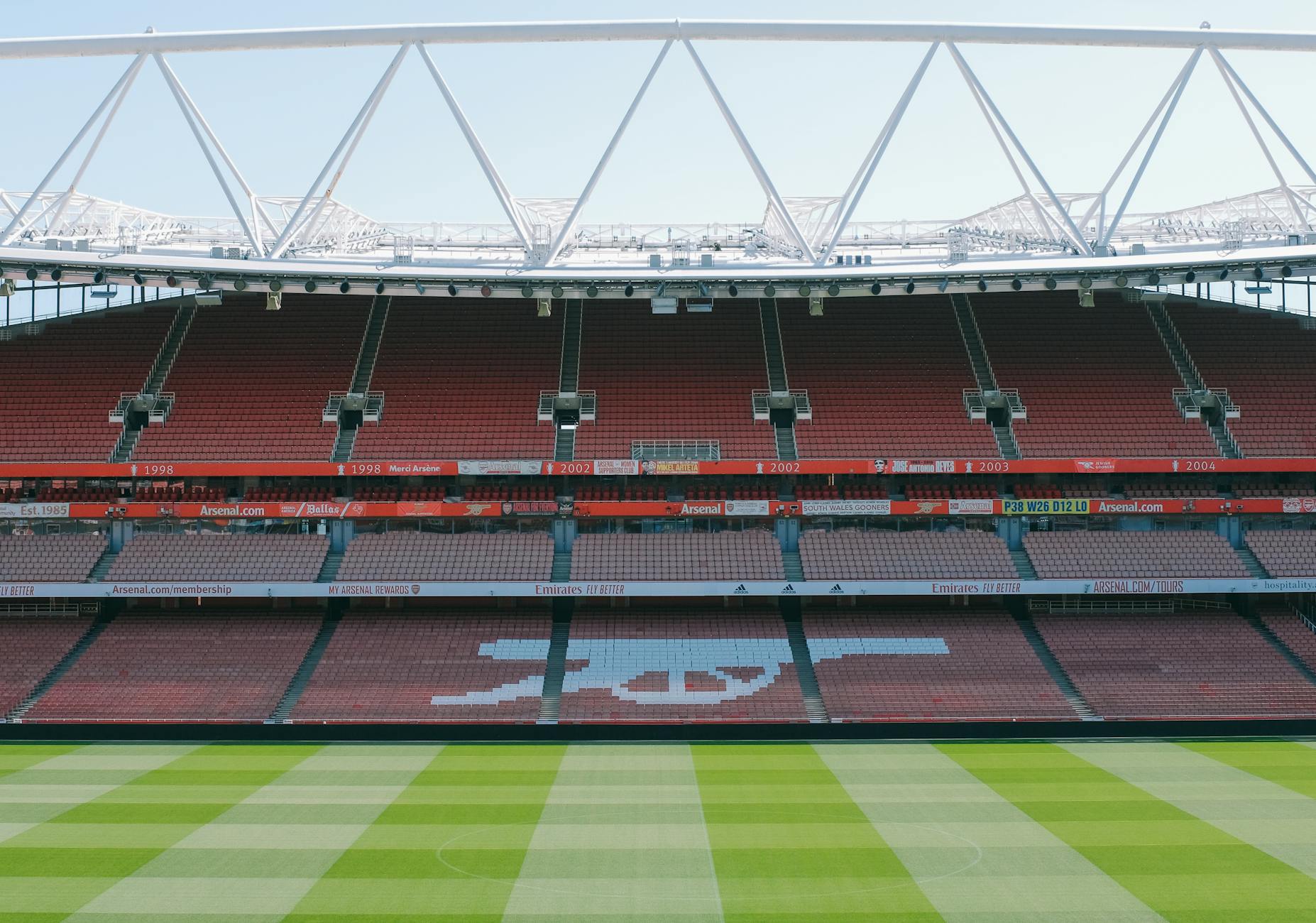
Photo by Huy Phan on Pexels
How should supporters read Premier League 2026/27 opening fixtures?
Supporters should assess opening fixtures through opponent strength, home-and-away balance, rest days, European travel, transfer completion, and managerial stability. The best reading combines the first six matches with the first international break and the likely congestion around November and December.
The opening six fixtures are useful but incomplete. A club can begin with four favourable matches and still face a brutal winter, while another can survive a difficult opening because its new manager needs time to install pressing patterns. Football Compass will treat early results as evidence, not destiny, combining player availability, expected goals, tactical style, and schedule density. This is especially important for clubs adapting to promoted players, new centre-backs, or a change from possession football to transition play.
One underappreciated edge is rest-day calculation. Two clubs may both play on Sunday, yet one could have returned from Istanbul, Madrid, or Milan on Wednesday while the other trained locally all week. Count the days from the previous competitive match, not simply the weekday shown in a fixture graphic. Also inspect the first international break: a club with many starters travelling for England, Brazil, France, Spain, or Argentina may return with less recovery time than its opponent. For prediction purposes, that can matter more than a fashionable summer transfer.
Myth 3: The festive fixtures always decide the title — flat-out false
Festive Premier League fixtures can influence the title race, relegation battle, and squad fatigue, but they do not automatically decide the season. The decisive factor is usually cumulative performance across 38 matches, with injuries, European commitments, and January recruitment often carrying greater weight than one December sequence.
The Christmas and New Year programme has earned its legendary status because England’s schedule remains unusually intense during a period when many European leagues pause or reduce activity. Supporters remember packed stadiums, freezing journeys, late winners, and the ancient feeling that one week can bend an entire campaign. Yet a three-match holiday run is only one component of a season containing 380 fixtures, multiple international windows, and possible FA Cup, EFL Cup, and UEFA commitments.
For clubs chasing the Premier League title, the important question is not “Who won Christmas?” but “Who preserved performance while managing resources?” Manchester City, Arsenal, Liverpool, Chelsea, and Manchester United may rotate differently depending on European qualification and squad depth. A single injured striker can alter the expected value of an entire period, while a goalkeeper’s availability may matter more than a glamorous attacking signing. In my own fixture ledger, I separate points gained from points expected; the difference reveals whether a club truly improved or simply enjoyed a short run of finishing luck.
According to UEFA’s club competitions information, European match scheduling operates alongside domestic competitions rather than in isolation. That is why the festive period should be viewed as a stress test, not a crystal ball. As a useful principle, “the schedule is a framework, not a prediction”; the Premier League fixture list tells us when the drama is staged, not who must win it.
[Internal Link: football tactics and player statistics]
What are the key dates for the 2026/27 Premier League season?
The key dates are the fixture-release announcement in June 2026, the season opening in August 2026, international breaks during the campaign, the festive programme in December and January, and the final matchweek in May 2027. Exact dates require official confirmation.
A sensible planning table should include the following checkpoints:
- June 2026: expected Premier League fixture release and initial opponent sequence.
- August 2026: expected opening weekend, subject to the confirmed competition calendar.
- September to November 2026: likely international windows and early European congestion.
- December 2026 to January 2027: festive matches, cup rounds, and heavy rotation risk.
- February to April 2027: title, European qualification, and relegation pressure usually intensify.
- May 2027: final matchweek and confirmed season conclusion.
These are planning anchors, not promises. The FIFA international calendar, UEFA draw, FA Cup progress, and broadcaster selections can reshape the practical timetable. The [FIFA international match calendar](https://inside.fifa.com/ international-match-calendar) should be checked alongside Premier League updates, especially when planning overseas travel. Football Compass will also distinguish a matchweek number from a confirmed date, a small wording difference that prevents large misunderstandings.
What actually works
What works is a verification-first routine that treats the Premier League 2026/27 schedule as live information. Check the official fixture page, record the latest update time, confirm television selection, inspect European and domestic cup conflicts, and only then commit money or travel arrangements.
This approach is less glamorous than shouting a prediction into the night, but it protects both your time and your bankroll. The following workflow has served me well:
- Capture the original listing: save the opponent, venue, provisional date, and matchweek.
- Check the official update: compare the fixture with PremierLeague.com and the club’s own channels.
- Audit competition conflicts: review UEFA, FA Cup, EFL Cup, and international dates.
- Measure rest: calculate the gap from the previous and next competitive matches.
- Review squad evidence: check injuries, suspensions, transfers, and expected line-ups.
- Set a decision limit: decide in advance how much money and time the fixture deserves.
- Recheck 72 hours before travel: confirm kick-off, transport, and stadium requirements.
The 72-hour check is an information-gain habit worth highlighting. Late changes can arise from broadcast decisions, severe weather, stadium logistics, or competition outcomes. It is not a guarantee, but it is a sensible final checkpoint before a non-refundable journey. For wagering, use the same discipline: compare the price with your estimated probability, record the stake and net position, and never increase exposure simply because a rearranged fixture feels emotionally urgent. Learn more about building a structured matchday process here:

Photo by MOHI SYED on Pexels
How can bettors use Premier League fixtures responsibly?
Bettors can use Premier League fixtures responsibly by treating them as one input among many, comparing probability with odds, setting a fixed budget, and avoiding bets based solely on club reputation or fixture momentum. Fixture analysis should never override legal restrictions or personal affordability.
A schedule can expose value, but it can also create seductive traps. A famous team facing a promoted club may look obvious, yet the favourite could be rotating before a UEFA Champions League match or missing two central defenders. Likewise, a club with three home fixtures may appear attractive until its expected goals, shot quality, and goalkeeper availability reveal a weaker picture. Football Compass provides football-focused analysis, not a promise of profit, and every reader should follow the rules of their jurisdiction and the responsible-gambling guidance of their licensed provider.
My preferred record has five columns: selection, implied probability, estimated probability, stake, and net result. If a 1.80 price implies roughly 55.6%, I ask whether my evidence supports a meaningfully higher probability after accounting for margin and uncertainty. If the answer is no, I pass. That is the investor mindset: turnover is not profit, a rebate is not guaranteed return, and a winning weekend can still represent a poor decision if the process was reckless. Gambling should remain entertainment, never a solution to financial pressure.
What to ignore
Ignore unofficial fixture graphics without timestamps, guaranteed predictions based on the first six matches, claims that a festive run “decides everything,” and any tipster presenting historical records without stakes, prices, closing odds, or losing periods. These signals create confidence without a verifiable net position.
Also ignore the temptation to treat fixture difficulty as a fixed property. A match against Tottenham Hotspur changes meaning when Ange Postecoglou’s successor changes the press, when a striker leaves during the transfer window, or when the opponent has played 120 minutes in an FA Cup tie. The same venue can be a fortress in October and vulnerable ground in March. Context moves; static labels decay.
Be especially cautious with pages that claim to publish the complete 2026/27 schedule before the Premier League’s official release. A real fixture list needs named opponents, dates, venues, and a traceable source. It should also acknowledge later alterations instead of quietly allowing an old table to remain indexed. The Premier League season overview on Wikipedia can help with historical context, but it should not replace the league’s own current fixture information.
[Internal Link: responsible football betting guide]
The most valuable habit is modesty. Admit when a date is provisional, say when a line-up is unknown, and keep a clear difference between analysis and certainty. That may sound like a small virtue, yet football has punished overconfidence since the first muddy pitch and will continue doing so in 2026/27. If you follow the schedule with patience, Football Compass can help turn a chaotic calendar into a readable map of form, tactics, fatigue, and opportunity.
For the season ahead, my recommendation is direct: bookmark the official Premier League fixtures page, create a personal change log, and revisit every important match after broadcast selections and European draws are known. The fixture release will provide the opening chapter, but the story will be written in revisions, recovery days, squad news, and those extraordinary afternoons when the numbers finally surrender to the roar. Stay informed, protect your budget, and let the evidence lead.
Ready to follow every major development through the 2026/27 campaign?
Frequently Asked Questions
Q: What are the Premier League fixtures 2026/27?
A: The Premier League fixtures 2026/27 are the scheduled 380 matches involving 20 clubs during the 2026/27 English top-flight season. The league is expected to begin in August 2026 and conclude in May 2027, with the official fixture list expected in June 2026. Dates and kick-off times can later change because of television selections, UEFA competitions, domestic cups, international breaks, and safety requirements.
Q: When will the Premier League fixtures 2026/27 be released?
A: The 2026/27 Premier League fixture list is expected to be released during June 2026, although the exact date must be confirmed by the Premier League. The initial announcement should show opponents, venues, matchweeks, and provisional dates. Supporters should use PremierLeague.com and their club’s official website for the final release rather than relying on screenshots or third-party calendars.
Q: How can I check whether a Premier League fixture has changed?
A: Check the official Premier League fixtures page first, then compare the update with the relevant club website and confirmed broadcaster information. Look for changes to the date, kick-off time, venue, or competition status, and record when the information was last updated. Recheck around 72 hours before travelling because late changes can affect transport, entry arrangements, and betting markets.
Q: What is the difference between a fixture release date and a confirmed kick-off time?
A: A fixture release date identifies the provisional match placement, while a confirmed kick-off time reflects a later decision by the league and broadcasters. A match may initially appear on a Saturday at 3:00 p.m. but move to Friday, Sunday, or Monday for television. European matches, FA Cup ties, EFL Cup rounds, policing advice, and stadium logistics can also cause changes.
Q: Are Premier League fixtures 2026/27 free to view?
A: The basic Premier League fixture list is normally free to view through PremierLeague.com and official club websites. Watching live matches is different because broadcast access depends on your country, rights holder, subscription package, and selected match. Travel, tickets, and wagering create additional costs, so check cancellation terms and set a clear entertainment budget before committing funds.
Q: How should I use the 2026/27 fixtures for match predictions?
A: Use the fixtures as a context tool rather than a standalone prediction. Assess home advantage, opponent quality, rest days, European travel, injuries, suspensions, tactical matchups, and confirmed line-ups before estimating probability. Record the odds, stake, and net result separately, because high turnover or a short winning run does not prove that a betting strategy has positive value.
Q: What should I do if a Premier League fixture changes after I book travel?
A: First, confirm the change through the Premier League or club, then contact the airline, rail operator, hotel, or ticket provider using its amendment and refund rules. Keep screenshots of the original and revised fixture, because some bookings offer flexibility when an event time changes. For future trips, choose refundable options where possible and avoid booking solely from an unconfirmed Saturday date.
Thank you for reading.
Football Compass · Archive